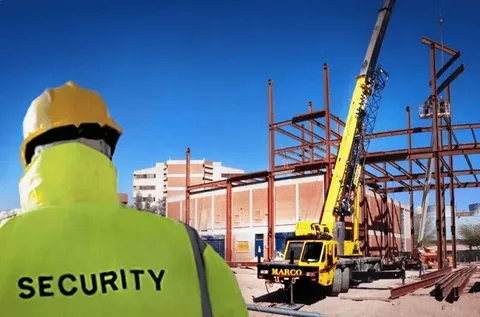
Construction sites in Kelowna can contain expensive machinery, tools, electrical materials, fuel, building supplies, and other valuable assets. Because these properties are often unfinished and have temporary entrances, fencing, and changing layouts, they can face security challenges during both working and non-working hours. Simply locking the main gate may not provide enough protection for a site containing valuable equipment and materials.
The ARC Canada team can provide security approaches that may include mobile patrols, site inspections, access checks, alarm response, and security monitoring. The right security strategy depends on factors such as the size of the property, construction stage, equipment stored onsite, working hours, and surrounding environment.
A well-planned security approach can help contractors reduce the possibility of theft, vandalism, trespassing, and property damage. It can also provide regular information about site conditions and unusual activity when construction managers are not physically present.
Why Construction Sites in Kelowna Need Security
Construction properties are constantly changing. New materials arrive, equipment moves between different areas, workers and subcontractors come and go, and temporary structures may create new access points. These changes can make it difficult to maintain consistent security throughout the project.
Construction sites may also contain portable tools, generators, fuel, copper wiring, machinery, and other materials that can be attractive targets for thieves. Unfinished buildings can provide concealed areas where unauthorised individuals may enter or remain unnoticed.
A 2023 Aviva Canada report estimated that construction-equipment theft costs Canadians more than $46 million annually, while only around one-quarter of stolen equipment was recovered. A 2025 federal assessment also identified construction equipment as an area of concern and noted that organised crime groups are believed to target heavy machinery.
For this reason, contractors should evaluate their individual property instead of assuming that one security method will work for every construction project.
Understanding Construction Site Security in Kelowna
Construction site security can involve professional personnel, technology, physical barriers, and established procedures. The goal is to create several layers of protection so that one weakness does not leave the entire property exposed.
For contractors searching for the Best Construction Site Security in Kelowna, mobile patrols can be a practical option for properties that do not require continuous onsite guarding. Security officers can visit the site at scheduled or varying times, inspect the perimeter, check gates and fencing, examine equipment areas, and report anything unusual.
Static security guards can provide a stronger level of continuous supervision. A guard can remain onsite for an agreed period, monitor entrances, observe activity around the property, verify authorised access, and respond to situations according to established procedures.
Security cameras can provide additional visibility around important areas such as entrances, storage locations, equipment yards, and building access points. Depending on the system, footage may be recorded for later review or monitored remotely.
Alarm systems can also support after-hours protection by notifying a monitoring service when specific activity is detected. Access control provides another layer by helping contractors regulate who can enter the property through locked gates, identification checks, visitor procedures, or electronic systems.
Creating an Effective Construction Security Plan
A construction security plan should begin with an assessment of the actual property. Contractors should examine entrances, temporary gates, perimeter fencing, equipment storage areas, lighting, neighbouring properties, and locations that may be difficult to observe.
The project schedule is also important. A site may have many workers during the day but become almost completely unoccupied overnight. Equipment and materials may therefore require stronger protection after working hours.
Controlled access can make a significant difference. Contractors should identify the main entry point and limit unnecessary access wherever practical. Procedures should also be established for employees, subcontractors, delivery drivers, visitors, and emergency personnel.
Valuable equipment should be stored in locations that are difficult to access. Smaller tools and high-value materials should be secured whenever possible rather than being left in exposed areas. Maintaining equipment records, serial numbers, photographs, and inventory information can also help contractors keep track of important assets.
Security patrols should focus on areas where suspicious activity could occur without being immediately noticed. Gates, fencing, equipment areas, fuel storage, temporary buildings, material storage, parking areas, and poorly illuminated sections may require particular attention.
Consistent reporting is another important part of a security plan. Patrol reports can document the condition of gates and fencing, unusual vehicles, suspicious activity, damaged property, and other observations. This gives project managers a clearer record of what happens outside normal working hours.
Security Requirements Can Change During Construction
Construction security should evolve as the project develops. The security requirements during excavation may be different from those during the finishing stage.
During early construction, open areas, heavy machinery, temporary fencing, and public access may represent the primary concerns. As the building progresses, the amount and value of equipment and materials onsite can increase.
During electrical, plumbing, and finishing stages, smaller valuable materials may become more prominent. Installed fixtures, appliances, wiring, tools, and equipment can increase the potential value of the property.
For this reason, contractors should review their security arrangements whenever the construction stage changes significantly or expensive deliveries are made. A project that initially required occasional patrols may later benefit from more frequent inspections, cameras, access control, or onsite guards.
Construction Security and Worker Safety
Security should always operate alongside construction safety procedures. Security personnel may encounter excavations, exposed electrical systems, unstable structures, heavy equipment, fall hazards, and other dangerous conditions while inspecting a property.
Security officers should therefore receive clear instructions regarding restricted areas and emergency procedures. They should know when to contact the construction manager or emergency services instead of entering a hazardous location themselves.
WorkSafeBC requirements also address restricted access to hazardous areas. Areas that are not intended for worker access may need to be secured using locked doors or equivalent measures. Construction sites should therefore consider both security and workplace safety when designing access procedures.
Fall protection is another important consideration. Construction properties may contain elevated work areas, open edges, excavations, and unfinished structures. Security personnel should not be expected to investigate areas where entering could create unnecessary safety risks.
Construction Site Security Costs in Kelowna
The cost of construction security in Kelowna varies according to the project’s specific requirements. A small residential project may only need occasional mobile patrols, while a large commercial development with expensive machinery may require continuous guards, cameras, access control, and monitoring.
Coverage hours can significantly affect pricing. Continuous onsite guarding generally requires a larger security commitment than scheduled inspections. Patrol frequency can also influence the overall cost because a site requiring several inspections may need more resources than one requiring a single nightly visit.
Property size and the number of entrances can also affect pricing. Larger sites may require longer inspection routes, additional personnel, or technology to provide suitable coverage.
Security technology can add another part to the budget. Cameras, alarms, access-control systems, monitoring, installation, and maintenance may all contribute to the total cost.
Contractors should therefore request a detailed written quotation rather than comparing providers only by their advertised hourly or monthly rates. The quotation should explain coverage, patrol frequency, response procedures, reporting, equipment, and any additional charges.
Protecting Construction Sites Near Public Areas
Construction projects located near roads, sidewalks, neighbouring properties, and public spaces may require additional attention to perimeter protection and public access.
Temporary fencing, barricades, signage, lighting, and controlled gates can help separate construction activity from areas used by the public. The City of Kelowna provides guidance concerning construction activities that affect public rights of way, and certain projects may require permits when construction-related structures or equipment occupy those areas.
Physical barriers are not a replacement for professional security. Instead, fencing, lighting, access control, cameras, and security personnel can work together to create a stronger overall protection strategy.
Choosing Trusted Construction Security in Kelowna
When selecting a security provider, contractors should look beyond the basic list of services. Experience with construction properties can be valuable because these sites have temporary layouts, changing access points, multiple contractors, and different security requirements throughout the project.
Contractors should ask how patrols are documented and what information is included in security reports. They should also understand what happens when an alarm activates, a gate is found open, fencing is damaged, or suspicious activity is observed.
Licensing, insurance, credentials, communication procedures, response arrangements, and written service terms should also be reviewed before hiring a provider.
The selected company should be able to adjust its services as the construction project changes. A small site may require periodic patrols, while a larger or higher-risk project may need a combination of guards, cameras, access control, and regular inspections.
Practical Ways to Reduce Construction Site Theft
Professional security works best when combined with good site management. Contractors can reduce opportunities for theft by keeping gates secured whenever the property is unattended and limiting unnecessary entry points.
Perimeter fencing should be inspected regularly, while entrances and storage areas should have adequate lighting. Valuable tools should be kept inside secure storage wherever possible, and important equipment should be documented through inventory records and identifying information.
Contractors should also review their security arrangements whenever expensive machinery or materials arrive. Damaged fencing, broken locks, suspicious vehicles, and unusual activity should be reported quickly so that problems can be addressed before they develop into larger incidents.
Conclusion
Construction site security in Kelowna should be based on the project’s location, size, construction stage, equipment value, operating schedule, and potential security weaknesses. There is no single solution that suits every construction property.
Mobile patrols can provide regular inspections, static guards can offer continuous supervision, cameras can improve visibility, and access control can help regulate entry. When combined with fencing, lighting, secure storage, equipment management, and clear reporting procedures, these measures can create a stronger security environment.
The Best Construction Site Security in Kelowna approach should also change as construction progresses. Contractors should review their security needs when site layouts change, valuable materials arrive, or additional equipment is stored onsite.
Before choosing a provider, contractors should request a site assessment and detailed security plan. Discussing patrol schedules, response procedures, reporting, access control, and coverage requirements can help ensure the selected service matches the project’s actual needs.
FAQs
What does construction site security in Kelowna include?
Construction site security in Kelowna may include mobile patrols, static guards, CCTV monitoring, alarm response, access control, gate inspections, perimeter checks, and incident reporting. The right combination depends on the property’s size, location, equipment, working schedule, and security risks.
How much does construction site security cost in Kelowna?
The cost depends on guard hours, patrol frequency, property size, number of entrances, technology requirements, monitoring, and response needs. Smaller projects may use periodic patrols, while larger or higher-risk sites may require continuous guarding and additional security systems.
What security measures can protect construction equipment?
Contractors can use controlled access points, secure storage, perimeter fencing, lighting, equipment tracking, inventory records, CCTV, alarms, and regular patrols. Combining several measures can make equipment more difficult to access without authorisation.
Should a construction site have security cameras?
Cameras can be useful for monitoring entrances, equipment areas, storage zones, and other vulnerable locations. Their effectiveness depends on proper placement, lighting, coverage, power, monitoring, and regular maintenance.
Are mobile patrols suitable for construction sites in Kelowna?
Mobile patrols can be suitable when a project needs regular security inspections but does not require a guard to remain onsite continuously. Patrol frequency can be adjusted according to the property’s size, risk level, operating schedule, and equipment value.
How should contractors choose a construction security company?
Contractors should compare experience, licensing, insurance, patrol procedures, response times, reporting, communication, coverage options, and pricing. The provider should also be able to adapt its security plan as the construction project develops.