A break-in, a theft on the sales floor, or an unruly customer at 11pm on a Friday rarely gives a business owner much warning. ARC Canada works with hospitality venues, retail stores, and offices that learned this the hard way before they invested in proper coverage. Core security services cover the guard presence, monitoring technology, and response planning that keep staff, customers, and property safe day to day. Getting this right matters more than most owners expect: it affects insurance premiums, staff confidence, and how customers feel walking through the door. This guide breaks down the main service types, what a provider actually does on site, and what drives the cost of getting core security services in place.
What Core Security Services Actually Cover
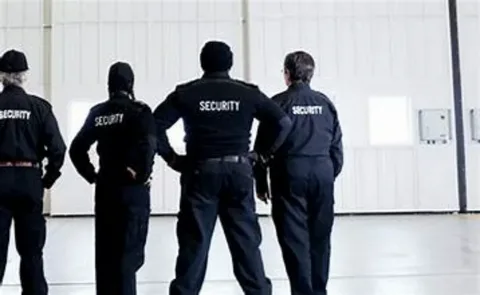
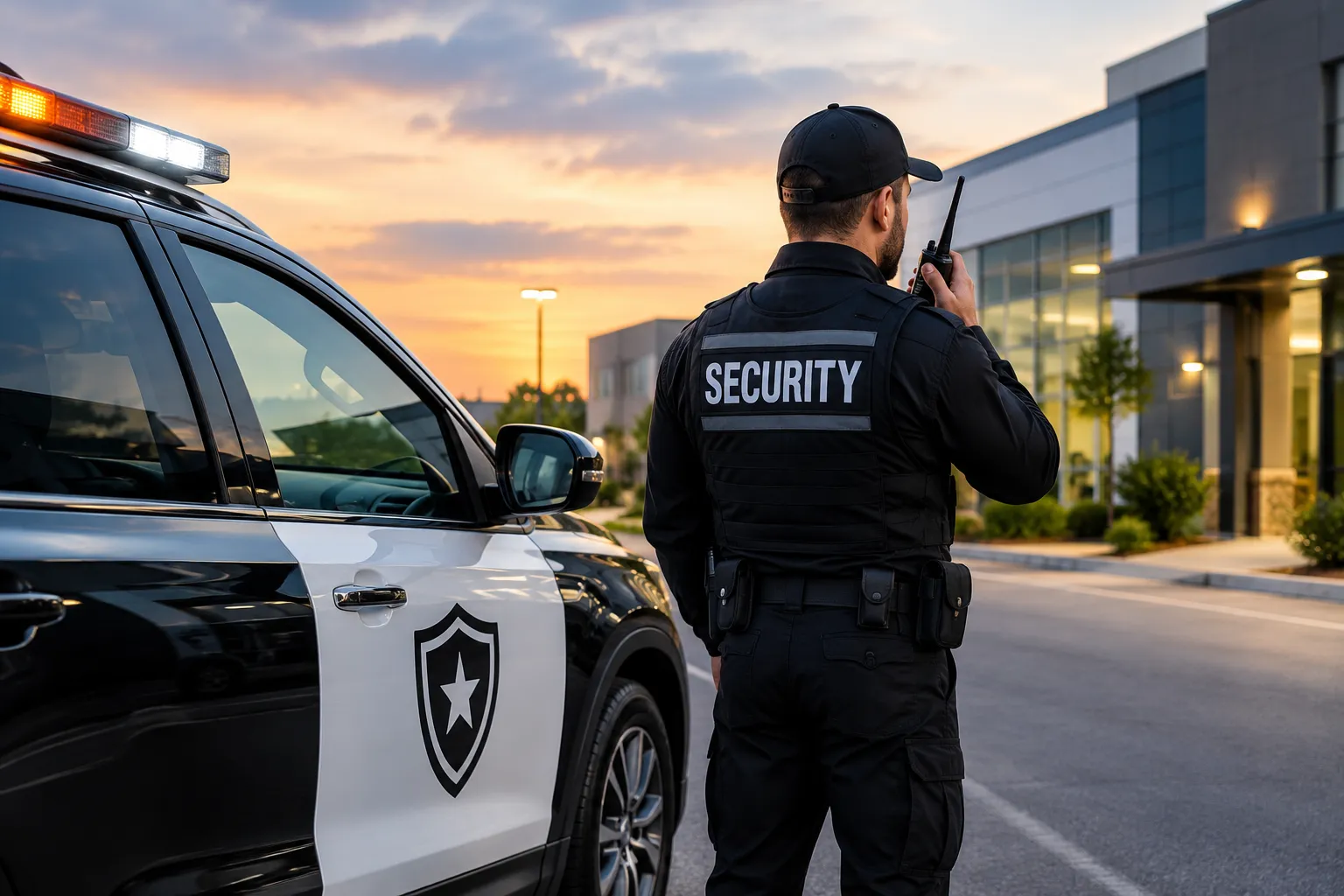
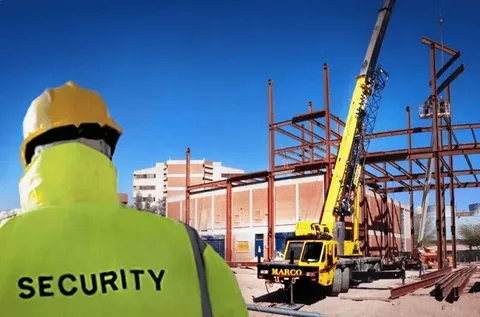
Core security services means the everyday protection layer a business relies on, not a one-time alarm installation or a single camera above the till. It combines trained guard presence, patrol coverage, and monitoring so a site has eyes on it whether it’s open, closing, or empty overnight.
Why does a restaurant need this as much as a warehouse? Both face different risks but the same underlying problem: unmonitored time is when incidents happen. A dining room with no visible guard presence during a busy Saturday night sees more disputes escalate than one where staff know backup is close by.
The Canada security services market is projected to grow at a compound annual rate of roughly 6.1 percent between 2024 and 2032, driven partly by rising regulatory compliance requirements pushing more businesses toward formal, licensed coverage rather than informal arrangements. That growth reflects a simple shift: more owners now treat security as a planned cost, not an afterthought.
Types of Core Security Services: Strengths and Fit
Static guarding places a licensed guard at a fixed post, typically an entrance, lobby, or loading dock. It works well anywhere a visible human presence changes behavior, and it remains the largest segment of the security services industry by revenue in Canada. The tradeoff is cost per hour compared to technology-based options.
Mobile patrol sends a guard on scheduled or randomized rounds across a property or a set of properties, which suits businesses that don’t need a fixed post but still want regular physical checks. CCTV monitoring pairs cameras with either on-site or remote live monitoring, catching activity between patrol rounds without the hourly cost of a stationed guard.
Access control systems, from keycard entry to biometric checkpoints, manage who enters a building and when, which matters for offices and multi-tenant sites more than open retail floors. Event security scales guard numbers up temporarily for a specific date, common for hospitality venues running a busy weekend or a private function.
| Service Type | Coverage Style | Best For | Typical Limitation |
|---|---|---|---|
| Static guarding | Fixed post, continuous | Entrances, lobbies, high-traffic retail | Higher hourly cost |
| Mobile patrol | Scheduled rounds | Multi-site properties, low-traffic hours | Gaps between rounds |
| CCTV monitoring | Continuous or remote | After-hours coverage, evidence gathering | No physical intervention |
| Event security | Temporary, scaled | Restaurants, bars, one-off events | Short-term only |
Most businesses end up combining two or three of these rather than picking one. A restaurant might run static guarding on weekend nights and CCTV monitoring the rest of the week, which keeps cost proportional to actual risk.
How a Core Security Services Provider Actually Works
A proper security engagement starts with a site assessment, not a guard showing up on day one. A provider walks the property, identifies entry points, blind spots, and peak-risk hours, then builds a coverage plan around what they find rather than a generic template.
Guard deployment follows, matched to the assessment: static posts where foot traffic is heaviest, patrol routes where coverage needs to move, and monitoring where a physical guard isn’t cost-effective around the clock. Licensed guards in most Canadian provinces must complete mandatory training under provincial security services legislation before they’re placed on assignment, which protects both the client and the public.
Ongoing reporting closes the loop. Incident logs, patrol check-ins, and shift reports give a business owner visibility into what’s actually happening on site, rather than trusting that everything is fine because nothing has gone visibly wrong. A restaurant owner who reviewed six months of incident reports from their provider found that most disputes clustered around last call on Friday nights, which let them add a second guard for exactly those two hours instead of paying for extra coverage across the whole week.
What Drives the Cost of Core Security Services
Cost starts with guard hours, and that’s shaped by coverage type more than anything else. Static guarding runs highest per hour since it demands continuous presence, while mobile patrol and remote CCTV monitoring cost less because one guard or monitoring center covers multiple sites or rounds.
Site risk level affects pricing too. A retail store with a history of theft or a bar with a track record of altercations typically needs a higher guard-to-space ratio than a quiet office lobby, which shows up directly in the quote. Shift timing matters as well, since overnight and weekend coverage usually carries a premium over standard daytime hours.
Contract length changes the number too. Businesses committing to ongoing coverage generally see better per-hour rates than those booking short-term or one-off event security, since providers can plan staffing more efficiently around a predictable schedule. None of this means a small business has to choose between full coverage and no coverage at all; scaling guard hours to the actual risk window, rather than covering every hour equally, usually gets a workable plan within a realistic budget.
Choosing the Right Core Security Services Provider
Picking a provider comes down to a short list of concrete questions rather than which company has the biggest fleet of vehicles. Are their guards licensed under your province’s security services legislation, and can they show proof of that training on request? That single question filters out a surprising number of unqualified operators.
Responsiveness matters just as much as credentials. How quickly does a provider answer when something goes wrong at 2am on a Saturday? A national chain juggling hundreds of accounts often can’t match the response time of a smaller, regionally focused team.
This is where specialization shows its value. A provider that works specifically with hospitality and restaurant clients, the kind of focus ARC Canada brings to venues across British Columbia, will already understand how to manage an unruly patron without escalating the situation, where a generalist guard company is still learning the difference between a retail incident and a bar dispute. That familiarity with sector-specific risk tends to matter more than fleet size or advertised guard count.
Licensing and insurance round out the checklist. Every guard on site should carry a valid provincial security license, and the agency itself should carry liability coverage that protects your business if something goes wrong during a shift.
Frequently Asked Questions
What are core security services?
Core security services describe the everyday protection a business relies on, combining guard presence, patrol rounds, and monitoring technology to cover entrances, premises, and staff during operating hours and overnight.
How much do core security services cost?
Cost depends on coverage type, site risk, and shift timing, with static guarding typically costing more per hour than mobile patrol or remote CCTV monitoring, and overnight or weekend shifts usually carrying a premium.
Do security guards in Canada need a license?
Yes, security guards in most Canadian provinces must complete mandatory training and hold a valid license under provincial security services legislation before working on assignment, and businesses should confirm this before hiring a provider.
What’s the difference between static guarding and mobile patrol?
Static guarding places a guard at a fixed post continuously, while mobile patrol sends a guard on scheduled rounds across a site or multiple properties, usually at a lower hourly cost than a stationed guard.
Can core security services be scaled up for a single event?
Yes, event security temporarily increases guard numbers for a specific date, common for restaurants and bars running a busy weekend, a private function, or a one-off event with higher expected foot traffic.
How do businesses know if they need CCTV monitoring or a guard on site?
It depends on the hours of highest risk. CCTV monitoring works well for after-hours coverage and evidence gathering, while a physical guard adds the ability to intervene in real time during high-traffic periods.
What should a business ask before hiring a security provider?
Ask about guard licensing, insurance coverage, response times, and whether the provider has direct experience in your sector, since a company familiar with hospitality risk handles those situations differently than a generalist guard service.
How quickly can core security services be set up for a new business?
Timelines vary, but most providers can complete a site assessment and begin guard deployment within one to two weeks, faster for temporary event security if the request comes with enough notice.
Do core security services include access control systems?
Many providers offer access control alongside guard services, ranging from keycard entry to biometric checkpoints, particularly for offices and multi-tenant buildings where managing who enters matters more than open floor traffic.
What industries rely most on core security services in Canada?
Hospitality, retail, and multi-site commercial properties make up a large share of demand, though on-site guard and patrol services account for more than half of total industry revenue across sectors in Canada.
Are core security services worth it for a small business?
Scaling coverage to actual risk hours, rather than covering every hour at the same level, usually makes core security services workable for a small business budget without leaving high-risk periods unprotected.
How is guard performance tracked during a shift?
Reputable providers log incidents, patrol check-ins, and shift reports, giving business owners visibility into what happened on site rather than relying on the absence of visible problems as proof everything went well.
A Practical Next Step
Getting core security services right comes down to matching coverage type to your actual risk hours rather than paying for round-the-clock presence you don’t need. Start with a site assessment, then build guard hours, patrol rounds, and monitoring around what that assessment shows. If you run a restaurant, bar, or hospitality venue in British Columbia, ARC Canada can walk through coverage options suited to your site and typical foot traffic.