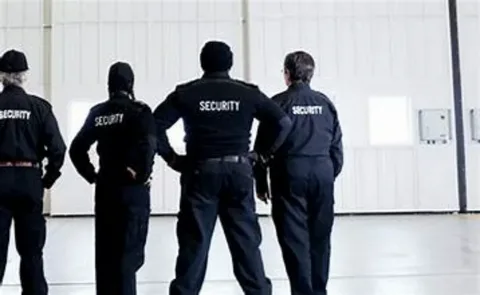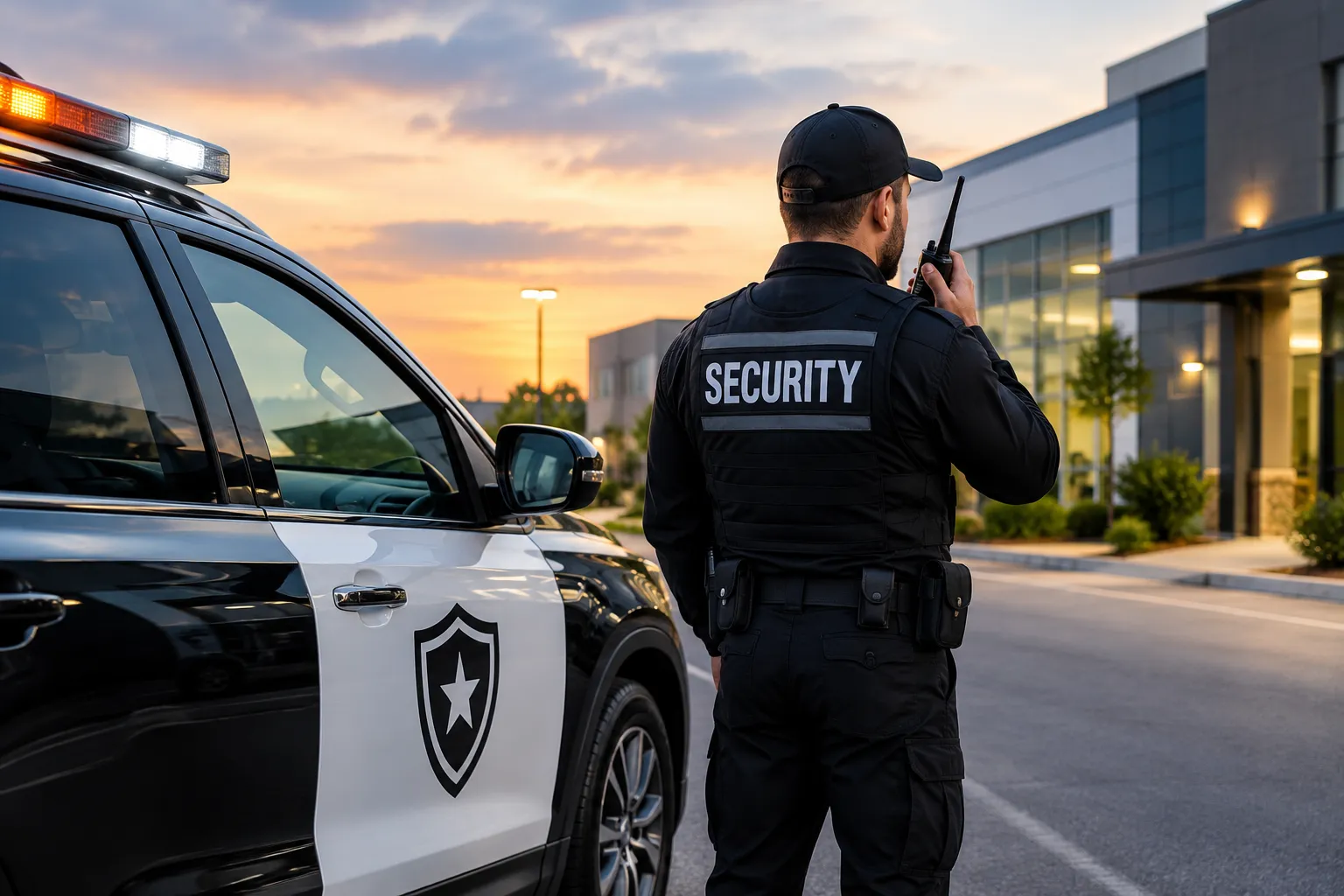
An open bar, a concert with a few thousand tickets sold, or a corporate launch with media in the room — each carries different risks. Each one needs a different kind of coverage. Event security is the planning, staffing, and on-site work that keeps guests, staff, and property safe from the moment doors open to the moment the last guest leaves.
Companies such as ARC Canada work with venues, festivals, and private hosts across British Columbia and the rest of Canada. They build security plans around the guest list, the venue layout, and the risk profile of the night. What does a solid event security plan actually include beyond a guard at the front door? This guide covers the coverage types, the planning process, the cost drivers, and the questions worth asking before you book a security team for your next event.
Why event organizers hire professional security
Organizers bring in trained guards mainly to manage risk before it becomes a problem, not just to react once something goes wrong. A visible security presence at the entrance changes guest behaviour on its own. It cuts down on gatecrashing, fights, and theft before staff ever step in.
Insurance and venue contracts often make the decision for you. Many venues won’t release a booking without proof of licensed security on file. Event liability insurance frequently requires it for gatherings over a set guest count.
Crowd flow matters just as much as guest behaviour. A trained team spots bottlenecks near exits, manages queues at a bar or merch table, and keeps fire exits clear all night. Guests notice the difference too. A well-run event with calm, professional staff feels safer and tends to earn better reviews from attendees and vendors alike.
Types of event security coverage and guard roles
Coverage generally falls into a handful of roles. Most events combine two or three of them rather than relying on one type alone.
Static guards hold a fixed post at an entrance, a VIP area, or a cash office, checking IDs and tickets as guests arrive. Mobile patrol teams move through the venue on a set route. They watch for issues that a static guard at one spot would miss. Crowd management specialists focus on flow and density. This matters most at concerts and festivals, where a packed floor needs constant monitoring rather than a single checkpoint.
Close protection or VIP escort covers a specific guest, such as a performer or executive. This guard moves with them through the venue rather than staying at a fixed post. Outdoor events in Vancouver’s wetter months, or winter functions with icy walkways, often add a safety-focused role. That role watches for slip hazards alongside the usual security duties.
| Coverage type | Avg. cost per guard/hour | Best for | Typical staffing ratio |
|---|---|---|---|
| Static guard | $28–$38 | Entrances, cash offices, VIP zones | 1 guard per entrance |
| Mobile patrol | $30–$40 | Larger venues, multi-room events | 1 guard per 2,000 sq ft |
| Crowd management team | $32–$42 | Concerts, festivals, high-density floors | 1 guard per 75–100 guests |
| Close protection | $50–$75 | Performers, executives, VIP guests | 1–2 guards per protectee |
How an event security plan comes together
Building a security plan for an event follows a fairly consistent path. This holds whether it’s a 50-person launch or a 5,000-ticket festival.
A security company starts with a site walk-through, checking entrances, exits, blind spots, and any high-risk areas like a bar or a stage. From there, the team maps out guard positions, radio coverage, and a response plan for common issues. These include a medical incident, an intoxicated guest, or an unauthorized entry attempt. This stage is also when the company confirms guard licensing. Every guard on site in British Columbia must hold a valid Security Worker Licence under the Security Services Act.
On event day, guards arrive early for a briefing covering the guest list, VIP details, and any last-minute changes to the floor plan. Radios stay active throughout the event. A lead guard coordinates between positions and liaises with venue staff or event organizers directly.
A festival organizer in Vancouver ran an outdoor summer event with 3,000 expected guests. They found their original plan understaffed for the beer garden entrance during a headline set. Adding two mobile guards to that single choke point, pulled from a lighter-traffic area earlier in the night, kept lines moving and avoided the crush that had caused complaints the year before.
What drives the cost of event security
Cost for event security moves with four main factors: guest count, venue size, event risk level, and coverage duration.
A small private event with 50 guests and a single entrance costs far less than a public concert with open admission and multiple access points. Risk level matters too. An event serving alcohol, involving cash handling, or drawing media attention typically needs a higher guard-to-guest ratio than a quiet corporate seminar. Overnight or multi-day events add cost through shift changes and overtime rates.
The broader industry reflects how much organizations now spend on this kind of coverage. According to QYResearch (2024), the global event security and crowd management market was worth $1,583 million in 2024. It’s projected to reach $2,244 million by 2031. The security services industry as a whole in the US reached $48.8 billion in 2024, according to IBISWorld (2024). This shows how much demand has grown across both public and private events.
A licensed security consultant in British Columbia put it plainly: the biggest cost mistake organizers make is booking guards for the headcount on the guest list, rather than the peak crowd density during the busiest 30 minutes of the night. Local companies like ARC Canada that specialize in hospitality and event coverage across British Columbia tend to plan staffing around that peak window rather than a flat average.
Choosing the right event security company
Choosing a provider comes down to a short checklist: licensing, insurance, event-specific experience, and communication before the day itself.
Ask for proof that every guard holds a current Security Worker Licence. Operating without one is an offence under the Security Services Act in British Columbia, and similar provincial rules apply across Canada. A company that hesitates on that question, or can’t produce documentation quickly, is one to avoid.
What separates a specialist from a general guard-for-hire service or a large national chain? A company that works event and hospitality security regularly, such as ARC Canada, will already understand bar service risks, VIP handling, and the licensing checks a venue expects on file. A large national provider can supply bodies for a shift. But slower response times and rigid procedures sometimes get in the way when an event’s needs change last minute.
Does the company do a site visit before quoting a price? That one step tends to separate an accurate staffing plan from a guess based on guest count alone.
Frequently asked questions
What does event security actually cover during a typical event? Event security covers entry checks, crowd flow management, VIP protection, and response to incidents like fights, medical issues, or unauthorized access. It’s tailored to the venue and guest list for that specific night.
How much does event security cost for a small private party? A small event with 50 to 100 guests and one entrance typically costs $300 to $600 for a four-hour booking with one or two static guards. Cost depends on the region and guard experience level.
How much does event security cost for a large public event? Larger public events with multiple entrances and crowd management needs often run $2,000 to $10,000 or more per event. Cost scales with guest count, duration, and risk level.
Do event security guards need a licence in Canada? Yes. In British Columbia, guards need a valid Security Worker Licence under the Security Services Act. Other provinces have their own licensing bodies with similar requirements before someone can legally work event security.
How do I hire event security guards for a wedding or private function? Most companies offering event security guards for hire start with a short intake call covering guest count, venue, alcohol service, and any known risks. That’s followed by a quote and a site visit if the event is large.
What should I look for in an event security company in British Columbia? Look for current licensing, hospitality-specific experience, clear communication before the event, and a company willing to walk the venue in person rather than quoting from a floor plan alone.
Is event security required by venues in Vancouver? Many Vancouver venues require licensed security for events over a set guest count or any event serving alcohol. This is often a condition of the rental contract or the venue’s liquor licence.
How many security guards do I need for my event? Staffing depends on guest count, venue layout, and risk level. A common starting ratio is one guard per 75 to 100 guests for general coverage, with extra guards at high-traffic points like bars or exits.
Can event security handle outdoor events in rainy or winter conditions? Yes, though outdoor events in wetter regions like coastal British Columbia often need added coverage. That coverage is for slip hazards and weather-related crowd bottlenecks near covered areas or exits.
What is the difference between a static guard and a crowd management team? A static guard holds one fixed post, such as an entrance. A crowd management team moves through the venue watching for density issues, bottlenecks, and flow problems across the whole space.
Does event security include close protection for performers or executives? Yes, many companies offer close protection as a separate service. This assigns one or two dedicated guards to stay with a specific performer, speaker, or VIP guest throughout the event.
What happens if an event isn’t properly staffed with security? Understaffed events see slower response to incidents, longer entry lines, and higher risk of crowd bottlenecks at exits. This can also breach venue contract terms or insurance requirements tied to the booking.
A practical next step
Event security works best when it’s planned around the actual risks of your event, not a generic guard count pulled from a guest list. Start with a site walk-through, confirm every guard’s licensing, and build staffing around your busiest 30 minutes rather than an average. If you’re planning an event in British Columbia and want a team that knows the local licensing rules and hospitality venues well, reach out to ARC Canada for a site assessment and a staffing quote before you finalize your event plan.